DEEP CUTS
Why Fishbone deserved more than they got
A genre-resistant Black band from Los Angeles spent two decades being too punk for funk, too funk for punk, and too good for either to ignore. A look back at the records, the live shows, and the institutional failure to give them their due.

Some bands get filed under a genre and stay there. Fishbone refused. They were too funny for the serious acts, too serious for the party bands, and too musically accomplished for anyone to figure out what bin to put them in.
That was their problem and their gift.
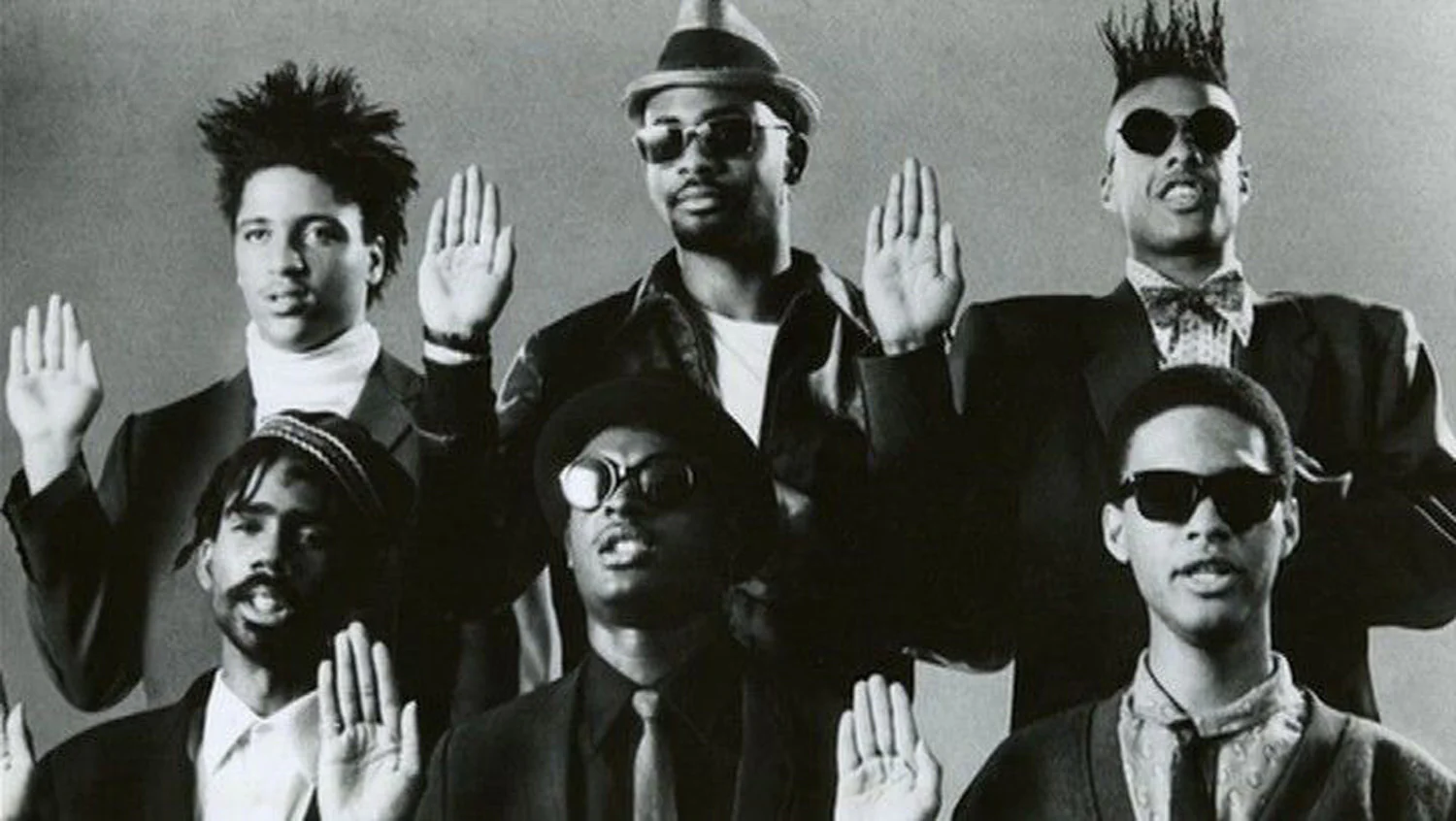
Formed in Los Angeles in 1979, Fishbone spent the next two decades making records that drew from ska, funk, punk, metal, soul, and gospel - sometimes all in the same song. They were a live band first, and their reputation on that front was essentially uncontested. Shows were athletic events. Angelo Moore was one of the most physically committed frontmen of his generation. The horn section hit harder than most guitar bands. Anyone who saw them in the late eighties or early nineties tends to describe it the same way: like nothing else, before or since.
The records hold up too, which doesn’t always follow. In Your Face (1986) announced a band that already knew what it was doing. Truth and Soul (1988) is the one that should have broken them through - a fully realized statement that moved between genres without ever losing the thread, anchored by playing tight enough to sound effortless and loose enough to breathe. “Freddie’s Dead” alone is worth the price of admission. “Subliminal Fascism” is one of the great political punk songs of the era and got a fraction of the attention it deserved.
The Reality of My Surroundings came in 1991, the same year Nirvana happened, and whatever commercial momentum Fishbone had built got redirected by a cultural moment that had no room for them. Grunge needed to be the thing. Fishbone was too Black for the alternative press, too weird for R&B radio, too aggressive for anyone trying to move units at scale. They fell through every format simultaneously.
What followed was harder. Key members left. The band kept going through lineup changes and diminishing commercial returns and a music industry that had moved on. Moore never stopped. The core kept playing. But the window for mainstream recognition - the window where a band gets the Rolling Stone cover and the retrospective critical reassessment while they can still enjoy it - closed without opening.
The reassessment has come anyway, slowly and from the ground up. A generation of musicians who grew up on Truth and Soul - in No Doubt, in the Mighty Mighty Bosstones, in every third-wave ska band that owed them a debt - made the influence legible even when the source didn’t get the credit. That’s cold comfort, but it’s not nothing.
Fishbone made some of the most alive music of the eighties and nineties. The catalog is waiting for anyone who hasn’t found it yet. Start with Truth and Soul, follow it with Reality of My Surroundings, and then go back to the beginning. Set aside an afternoon.
They earned it.
FINAL VERDICT
 5.00 / 5
 A monument to what happens when a band refuses to be one thing. Essential.